
How data, control, and intelligent lighting are redefining building performance in 2026
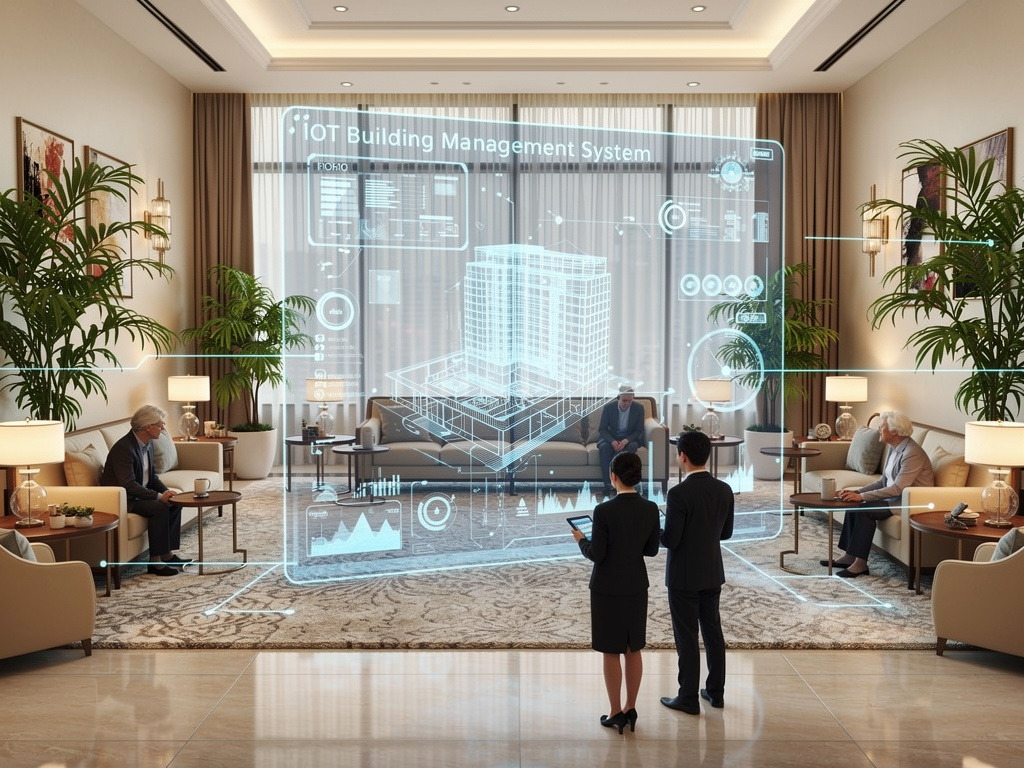
By 2026, the definition of a smart building has fundamentally changed. Smart no longer means simply connected or visible—it means fully orchestrated. Buildings are now expected to actively/dynamically manage energy, balance demand, protect comfort, and prove performance in real time. Internet of Things (IoT) technologies are what are making this shift possible.
Energy management is no longer confined to plant rooms or monthly reports that have to be read, understood and acted upon. Instead, intelligence is moving outward towards floors, rooms, fixtures, and individual devices, creating buildings that behave less like static assets and more like adaptive systems.
From monitoring to orchestration: the 2026 shift
By 2026, the definition of a smart building has fundamentally changed. Smart no longer means simply connected or visible—it means fully orchestrated. Buildings are now expected to actively/dynamically manage energy, balance demand, protect comfort, and prove performance in real time. Internet of Things (IoT) technologies are what are making this shift possible.
Energy management is no longer confined to plant rooms or monthly reports that have to be read, understood and acted upon. Instead, intelligence is moving outward towards floors, rooms, fixtures, and individual devices, creating buildings that behave less like static assets and more like adaptive systems.
From monitoring to orchestration: the 2026 shift
When conducting our research on the subject, it became clear that one of the defining trends of 2026 is that smart buildings are becoming true “Energy Orchestrators”. Rather than simply reporting consumption, modern platforms now coordinate how and when energy is used across lighting, HVAC, plug loads, EV charging, and tenant systems (see memoori.com)
This evolution is driven by three pressures:
- Rising energy demand from electrification, EVs, dataheavy workplaces, and increased connectivity
- Ageing infrastructure that must be optimised rather than replaced
- Greater expectation of resilience, where buildings must avoid peak crashes and uncontrolled demand
IoT enables this orchestration by collecting real time data at the edge and applying automated decision making across systems—turning fragmented assets into a coordinated whole.
HVAC optimisation remains essential—but it is no longer enough
HVAC systems still represent the largest single energy load in most buildings, commonly exceeding 50% of total consumption. As a result, IoTenabled HVAC optimisation continues to deliver significant savings through occupancyaware control, predictive fault detection, and dynamic scheduling. (see environenergy.com).
However, various industry experts highlight that electrification without control simply shifts peaks rather than reducing them. Heat pumps, cooling demand, and electrified services increase volatility unless coordinated intelligently. (see iotusecase.com and memoori.com)
This is why attention is expanding beyond HVAC to lighting, plug loads, and devicelevel demand, the systems that determine how volatile or stable a building’s energy profile becomes.
The growing role of SMART IoT Lighting Management and Control
Lighting is reemerging as a strategic energy and operational system—not because of LEDs alone, but because of intelligent control.
We believe that the convergence of lighting, occupancy, and energy orchestration as a critical 2026 trend, with lighting fixtures becoming one of the most scalable sensor networks within buildings. [memoori.com]
The Key benefits of SMART IoT lighting management include:
- Energy reduction beyond LEDs
Occupancybased dimming, daylight harvesting, and automated shutoff reduce runtime far beyond what efficient luminaires achieve alone.
- Improved comfort and wellbeing
Adaptive lighting linked to presence, time of day, and activity improves visual comfort and supports healthybuilding objectives. (see memoori.com)
- Granular energy orchestration
Lighting systems provide finegrained load control, enabling buildings to stagger demand, shave peaks, and smooth electrified load profiles.
- A digital backbone for other systems
IoT lighting networks can host sensors for occupancy, air quality, and utilisation, feeding smarter HVAC and spacemanagement decisions.
In 2026, lighting is no longer a background system; it is an active participant in energy optimisation.
AI and autonomy: the next phase of building operations
It is clear that AI is becoming one of the building’s most valuable “workers”. With many estates facing financial pressures as well as being understaffed and operated reactively, softwaredriven optimisation reduces costs and fills a growing operational gap (see memoori.com).
AIenabled IoT platforms increasingly:
- Detect inefficiencies humans never notice
- Coordinate systems that traditionally operate in silos
- Maintain performance continuously, not just after projects complete
This shift from manual management to autonomous optimisation is what allows energy savings to persist over time.
From ESG commitments to operational proof
One of the clearest messages from both industry and research is that ESG claims must now withstand audit. Netzero targets without verifiable data are no longer credible.
IoTbased SMART energy management provides:
- Continuous, devicelevel measurement
- Transparent links between energy, carbon, and cost
- Evidence that efficiency improvements persist, not just perform once
This aligns sustainability reporting with financial governance, transforming energy from a narrative exercise into measurable infrastructure (see environenergy.com)

What this means for Facilities Managers, ESG Leads, and Landlords
Facilities Managers: fewer problems, more control
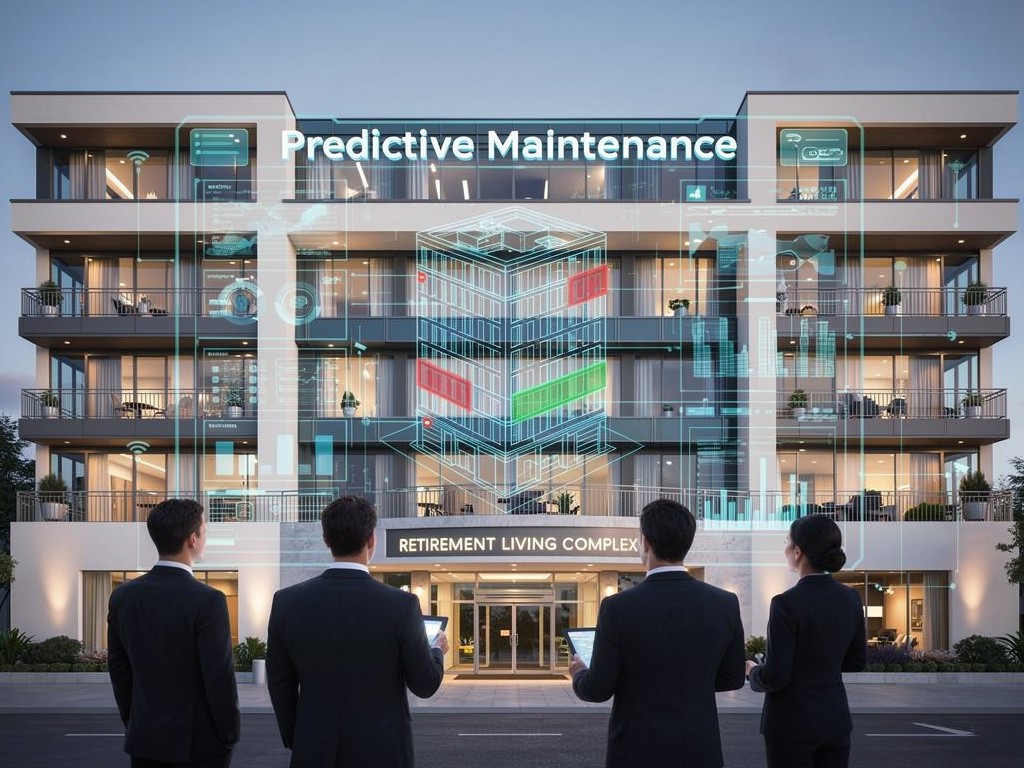
- Predict issues before failures occur
- Replace schedules with realworld usage
- Reduce reactive workload through automation
- Maintain comfort while cutting waste
SMART buildings reduce complexity rather than adding to it, provided control is designed into the system from the ground up.
ESG & Sustainability Leads: defensible performance
- Auditready energy and carbon data
- Demonstrable persistence of savings
- Stronger alignment between cost and emissions
- Evidencebased reporting that survives scrutiny
In 2026, data integrity is sustainability credibility (see iotusecase.com)
Landlords & Property Owners: resilience and asset value
- Lower operating costs without disruptive works
- Protection against volatile tariffs and regulations
- Improved tenant experience through comfort and transparency
- Differentiation through proven, not claimed, performance
Buildings that actively manage energy are better insulated, financially and reputationally, against future risk (see memoori.com).
Extracting value from what already exists
The most impactful efficiency gains in 2026 are not coming from new buildings or major refurbishments, but from existing assets. Measurable Energy identifies this as the “last 20%” of savings”, I.e. waste hidden in unmanaged runtimes, static schedules, and forgotten devices. (see iotusecase.com)
IoT makes this waste visible and controllable by:
- Identifying idle equipment and phantom loads
- Automating shutdowns and operational limits
- Replacing static schedules with occupancydriven logic
These changes deliver low capex with fast payback efficiency, often outperforming traditional energy projects in both speed and scalability.
A Final thought - Why is 2026 the inflection point?
Simply put, 2026 is the year buildings stop proving they are smart and start proving they perform.
IoT enables that transition by connecting HVAC, lighting, devices, and data into a system that continuously adapts, optimises, and demonstrates value.
In a world of rising demand, tighter regulation, and increasing scrutiny, SMART building energy management is no longer about insight.
It is about control, coordination, and proof.
Book an appointment
For further information about how Amparo Technologies’ innovative and powerful IoT solutions can help you to redefine your building’s performance in 2026.